



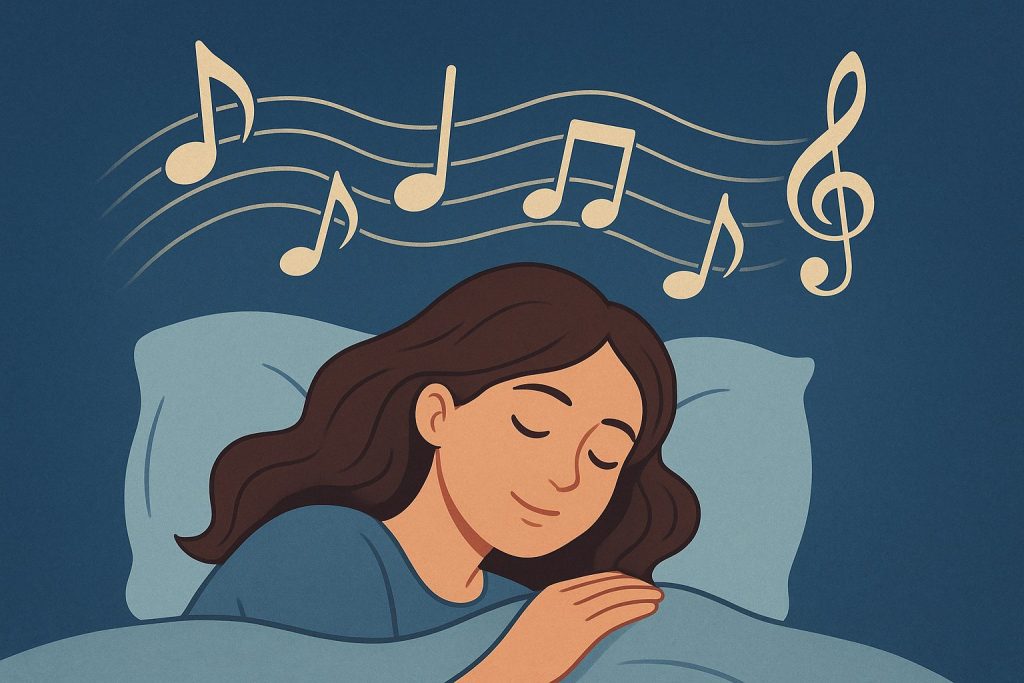
Many people have experienced a fascinating phenomenon: when they play soft music while asleep, the music somehow becomes part of their dreams. You might find yourself dreaming of a concert, hearing a song in the background of a dream scene, or even interacting with lyrics as if they were spoken to you. This blending of real-world sound with dream content is common, and modern sleep science offers some clear explanations for why it happens.
Your Brain Never Fully Switches Off
Even when you fall asleep, your brain does not shut down completely. Certain parts remain active and continue processing sensory information. Among these is the auditory system, which stays surprisingly alert throughout the night. This is why you may wake up when someone calls your name, or notice a loud noise outside even though you were in deep sleep.
During lighter stages of sleep—and especially during REM (Rapid Eye Movement) sleep, where most dreaming takes place—your brain remains open to receiving and interpreting sounds. When music plays softly in your room, your mind receives it and begins trying to make sense of the sounds. Instead of waking you up, the brain cleverly integrates the music into the ongoing dream narrative. This is how the song becomes part of the dream storyline.
How Dreams Use Real Sounds
Dreams are created from a mix of memories, emotions, expectations, and imagination. When an external sound enters the sleeping brain, your mind treats it the same way it treats internal thoughts: it searches for meaning. If a slow instrumental song is playing, the dream may interpret it as background music at a peaceful location. If the music has lyrics, they may appear as dialogue from characters in your dream.
The brain’s goal is to maintain a continuous story. Instead of the music feeling like an interruption, the mind reshapes the dream world so the music fits naturally. For example:
A choir song may turn into a church setting.
Upbeat music may become part of a party or celebration in the dream.
A slow tune might play in the background of a quiet scene.
A beat may transform into footsteps or drumming within the dream.
In this way, the dream absorbs the music and gives it a narrative role.
https://lifeat.io/blog/your-brain-on-music-how-sound-can-regulate-inspire-and-energize
Why Low Volume Works Best
This effect is strongest when the music is played at low volume. Loud music can wake you up or disrupt sleep cycles. Soft, gentle music is more likely to be interpreted by the brain as part of the dream environment rather than as a waking stimulus.
At low volume, your mind perceives the sound as believable and non-threatening, making it easier to blend into your dream world without disturbing your rest.
Does This Affect Sleep Quality?
For most people, incorporating music into dreams is harmless. In fact, soft music can:
Promote relaxation
Reduce stress and anxiety
Improve sleep onset
Enhance dream vividness
However, sleep can be affected if the music is too loud, too fast, or emotionally intense. People who are light sleepers should choose gentle, calming playlists. Instrumental, ambient, or classical tracks usually work best.
If you wake up feeling tired or if the music causes frequent interruptions, it may be better to turn it off or use a sleep timer.
https://www.dreamly-app.com/the-fascinating-connection-between-music-and-our-dreams
Can Music Influence the Type of Dreams You Have?
Yes. Music can subtly guide the mood and tone of your dreams. Calm music often leads to peaceful or imaginative dreams. Energetic songs might create more active or emotional dream scenes. Some people even use music intentionally to shape dreams—a practice known as dream incubation.
For instance:
Nature sounds may lead to dreams of forests or oceans.
Soft piano music may create reflective or emotional dream moments.
Cultural or traditional songs may trigger memories or familiar environments.
While you can’t fully control your dream, music can nudge it in a particular direction.
A Natural and Fascinating Experience
Incorporating music into dreams is one of the mind’s most intriguing abilities. It shows how active and creative the brain remains even during sleep. If you enjoy the experience, you can continue playing soft music at night. It can deepen relaxation, enrich your dream world, and create unique experiences that you remember in the morning.
Just keep the volume low, choose calm music, and let your mind do the rest. Your dreams will continue to weave stories around the melodies, turning simple nighttime music into a powerful part of your inner world.



More Stories
Music, Time, and the Sound of New Beginnings
? Did You Know? The Piano Was Invented to Play Soft and Loud
? Did You Know? The Tritone Was Once Called “The Devil in Music”