As the year draws to a close, many people reflect on the past and look ahead to what’s coming next. Interestingly, music has always played a central role in marking endings, transitions, and new beginnings. From ancient rituals to modern countdowns, music has been our trusted companion at the turning of time.
Did you know that some of the most famous musical traditions in the world are closely tied to New Year’s Eve and New Year’s Day?
? Music and the Marking of Time
Long before clocks and calendars were common, communities relied on sound—especially music—to mark important moments. Drums, horns, chants, and songs signaled transitions: the end of harvest, the beginning of a new season, or the passing of one year into another.
In many cultures, music at year’s end was believed to chase away bad spirits and invite blessings for the coming year. Loud instruments like drums, bells, and trumpets were especially favored. Even today, fireworks and celebratory music echo this ancient belief: sound clears the old and welcomes the new.
⏰ The Famous “Auld Lang Syne”
Perhaps the most iconic New Year’s song in the world is “Auld Lang Syne.”
Written down by Scottish poet Robert Burns in the 18th century, the song is based on older folk melodies and lyrics. Its title roughly means “old long since” or “days gone by.”
What makes this song remarkable is its purpose. It isn’t about excitement or noise—it’s about memory, friendship, and shared journeys. That’s why it’s sung as people hold hands: a musical reminder that time moves forward, but relationships and experiences matter.
Musically, the tune is simple and singable, making it ideal for communal singing—one of the most powerful forms of musical connection.
? New Year’s Music in Classical Traditions
In Western classical music, New Year’s Day has its own sound. The Vienna New Year’s Concert, performed annually by the Vienna Philharmonic, features music by the Strauss family—especially waltzes and polkas.
Why waltzes?
Because they symbolize elegance, motion, and forward flow—perfect metaphors for stepping into a new year. The triple meter (1–2–3) creates a gentle sense of movement, as if time itself is dancing.
One famous piece, “The Blue Danube,” is often associated with both nostalgia and hope—two emotions deeply connected to year-end reflection.
? African Perspectives on Music and Transition
Across Africa, music has long been used to mark transitions—birth, initiation, marriage, harvest, and leadership changes. The end of a year fits naturally into this pattern.
In many African traditions, call-and-response singing, drumming, and dancing are used to reinforce unity and continuity. The rhythm reminds the community that while time changes, identity and shared values remain.
Even in modern African churches and celebrations, end-of-year services are often filled with music that is reflective at first, then joyful—moving from thanksgiving to praise.
? Music, Memory, and the Brain
Science adds another fascinating layer. Music is strongly linked to memory because it activates multiple parts of the brain at once. That’s why certain songs instantly take us back to specific moments in our lives.
As the year ends, listening to music you loved during the year can:
Trigger memories
Process emotions
Provide closure
Inspire motivation for the future
This is one reason year-end playlists feel so powerful—they are musical diaries.
✨ Music as a Bridge Between Years
Music does something extraordinary at midnight: it connects the past, present, and future in a single moment. A song may begin in one year and end in another, symbolizing continuity rather than abrupt change.
Whether it’s a hymn in a church service, a countdown song at a celebration, or quiet instrumental music played in reflection, music helps us step forward with intention.
? A Thought to Carry Into the New Year
As you enter a new year, consider this:
What kind of soundtrack do you want for your life going forward?
Fast and energetic?
Deep and reflective?
Joyful and communal?
Music doesn’t just decorate life—it shapes how we experience it.
? As this year ends, may the music you’ve heard, sung, and created become a bridge of gratitude—and may the music ahead be full of meaning.
More Stories
? Did You Know? The Piano Was Invented to Play Soft and Loud
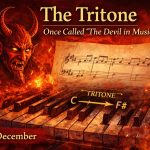
? Did You Know? The Tritone Was Once Called “The Devil in Music”
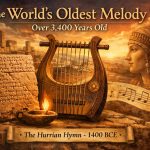
? Did You Know? The World’s Oldest Known Melody Is Over 3,400 Years Old