

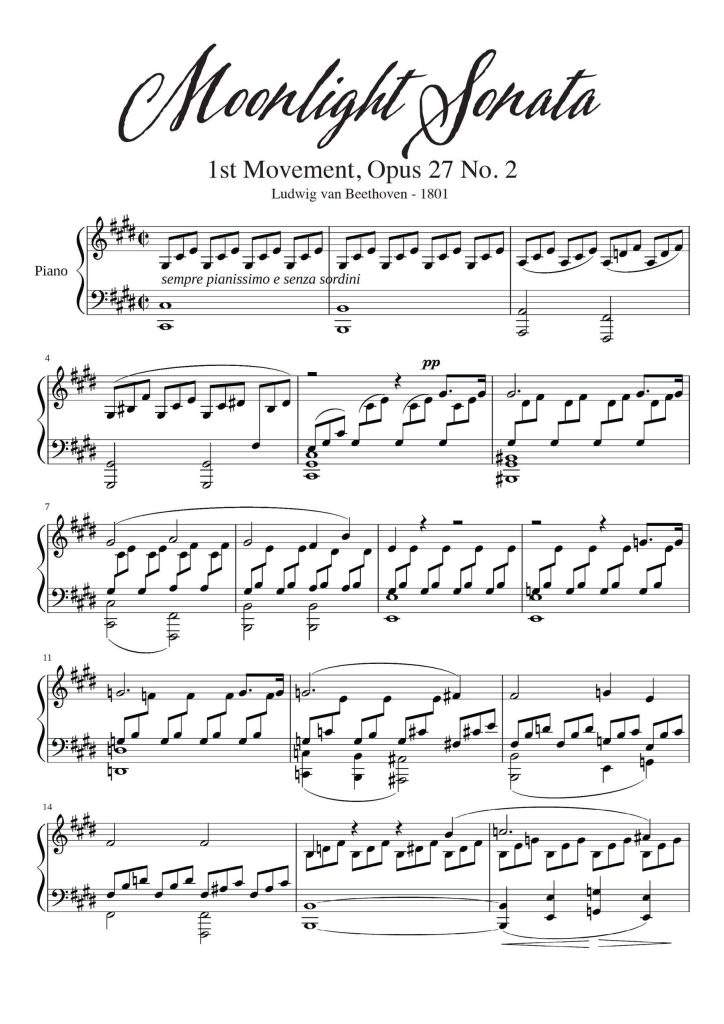
Moonlight sonata by Beethoven
When listening to classical music, terms like sonata and symphony often appear side by side. They both sound refined and timeless — but what exactly makes them different? Though they share a common origin in Classical-era composition, they serve very different musical purposes.
Let’s explore the key distinctions between these two masterpieces of musical form
? 1. Instrumentation
The biggest difference lies in the number of instruments used.
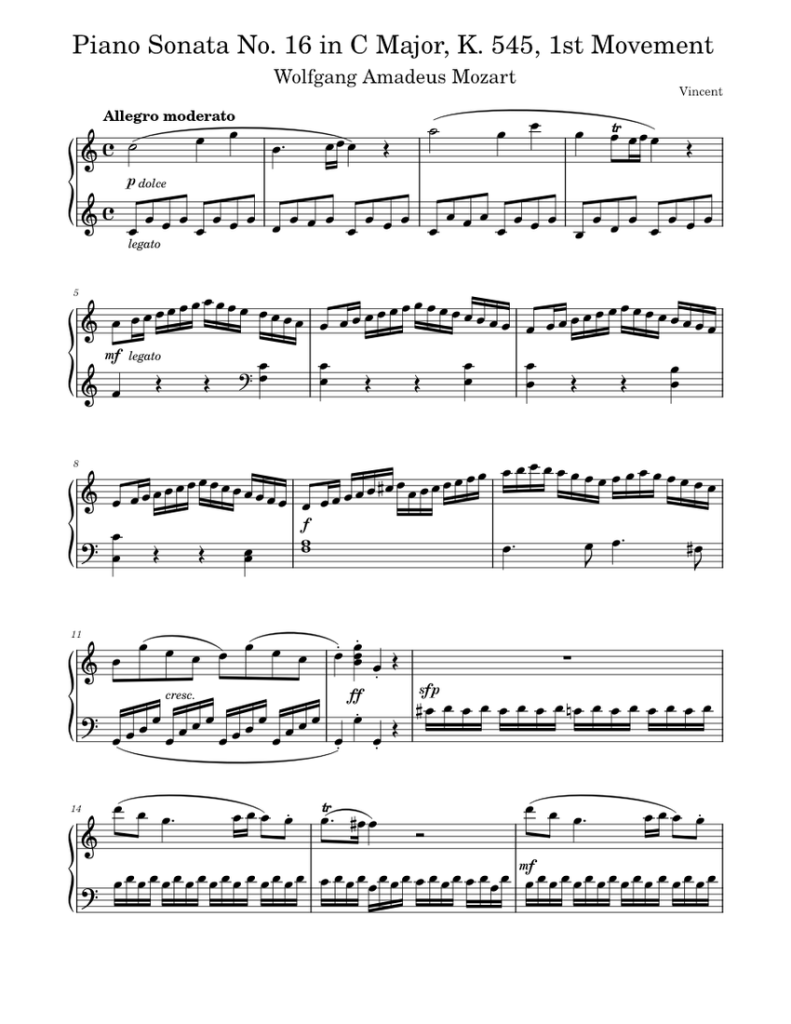
A sonata is composed for one or two instruments, most commonly the piano alone or a solo instrument with piano accompaniment (like a violin sonata).
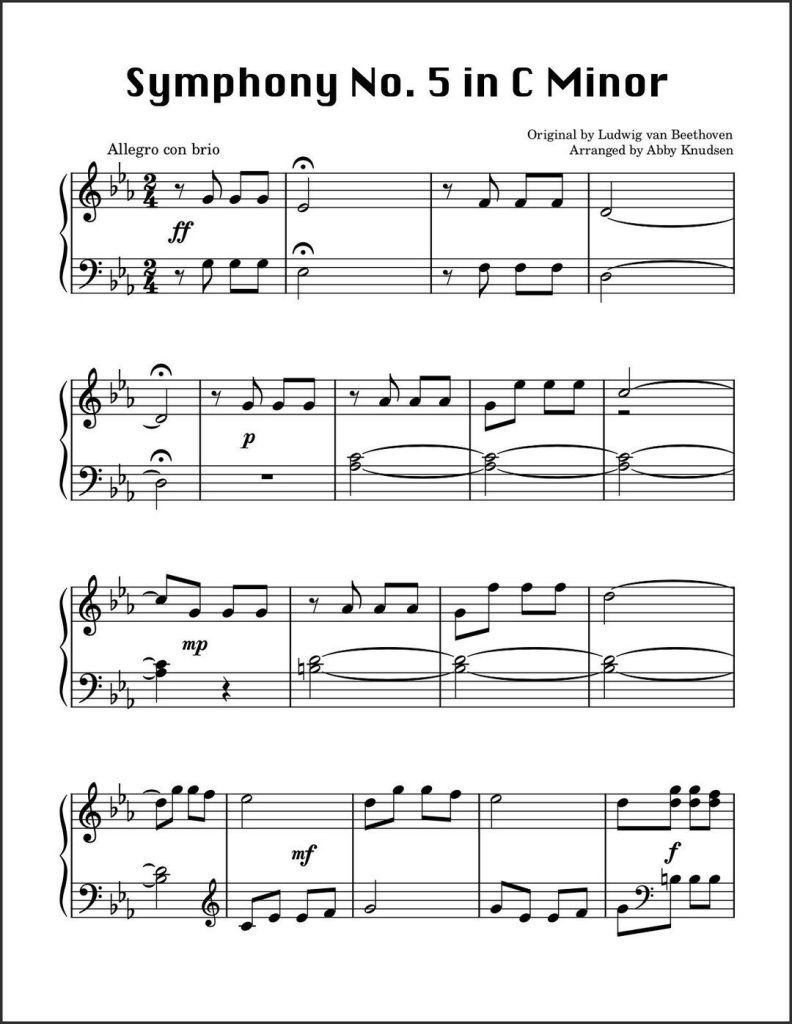
A symphony, by contrast, is written for a full orchestra — including strings, woodwinds, brass, and percussion.
? In short:
> Sonata = Solo or duo performance
Symphony = Full orchestra performance
https://simple.wikipedia.org/wiki/Sonata
? 2. Number of Performers
Because of its smaller scale, a sonata usually involves one or two musicians, creating an intimate and expressive atmosphere. A symphony, however, can involve dozens or even more than a hundred performers, filling the concert hall with a rich, powerful sound.
? 3. Structure and Movements
Both sonatas and symphonies are multi-movement compositions, typically with three or four contrasting sections:
1. First Movement: Fast, often in sonata form
2. Second Movement: Slow and expressive
3. Third Movement: Dance-like (minuet or scherzo)
4. Final Movement: Fast and energetic
While they share this outline, symphonies are generally broader and more complex, using orchestral color to develop musical ideas on a grander scale.
? 4. Function and Performance Setting
Sonatas are featured in recitals and chamber concerts, showcasing a performer’s technical mastery and emotional depth.
Symphonies are performed in concert halls by orchestras under a conductor, designed to move audiences through collective orchestral power.
https://www.britannica.com/art/symphony-music
? 5. Famous Examples
Famous Sonatas:
? Beethoven – “Moonlight Sonata”
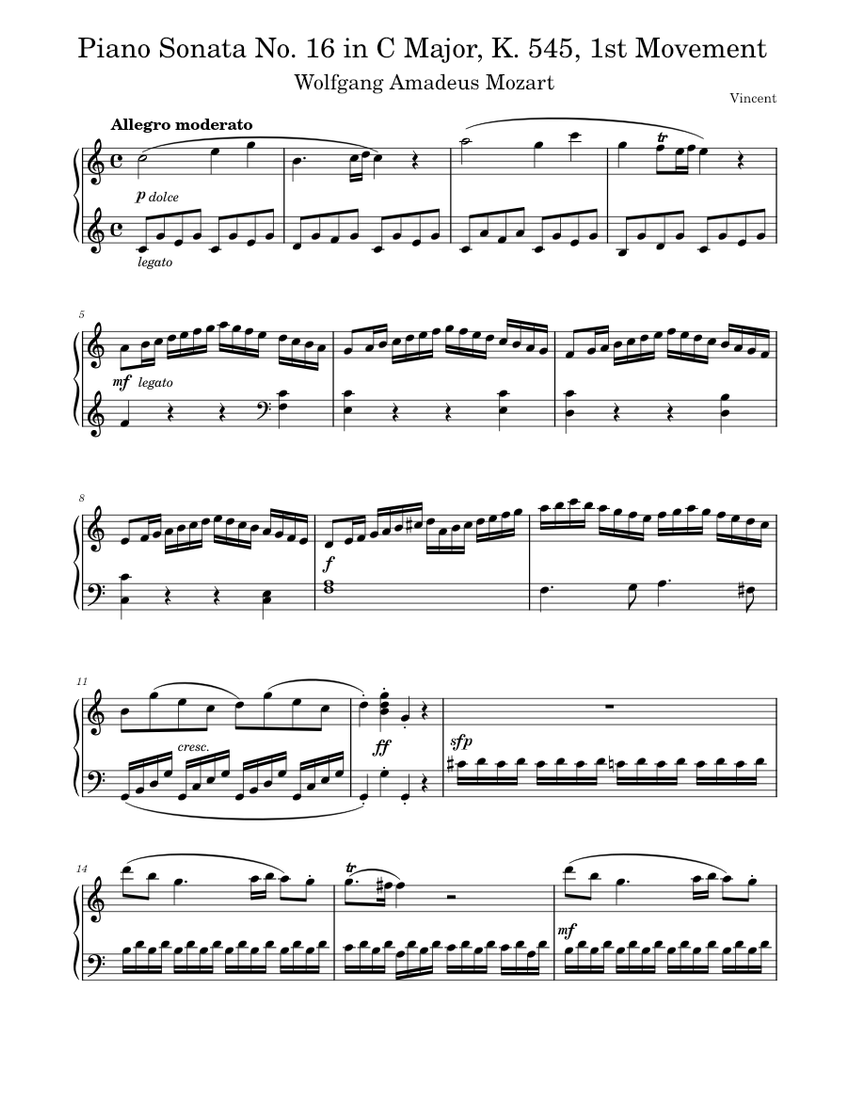
? Mozart – Piano Sonata in C Major, K. 545
? Schubert – Sonata in B-flat Major, D.960
Famous Symphonies:
? Beethoven – Symphony No. 5 in C Minor
? Mozart – Symphony No. 40 in G Minor
? Tchaikovsky – Symphony No. 6 “Pathétique”
✨ Final Thoughts
Both the sonata and symphony are pillars of classical music.
The sonata captures personal, intimate expression through solo or duet performance.
The symphony expands that emotion into a grand orchestral experience.
> ? The sonata whispers.
? The symphony soars.
Together, they represent the soul of Western classical art — two forms that continue to inspire composers and listeners across centuries.

More Stories
Music, Time, and the Sound of New Beginnings
? Did You Know? The Piano Was Invented to Play Soft and Loud
? Did You Know? The Tritone Was Once Called “The Devil in Music”